
Featured image of post 多金丹融合:Promptbreeder 风格的变异算子与血统追溯

多金丹融合:Promptbreeder 风格的变异算子与血统追溯

用 crossover 和 mutation 算子融合多个人格,并记录完整血统

「请综合一下」是个坏主意

单个金丹是静态人格,但炼丹炉真正有意思的地方在"炼":把多个金丹扔进炉子,产出一个兼具各方特质的新人格。我最初的实现很朴素,把几个金丹渲染成 prompt 拼在一起,让 LLM “综合一下”。结果非常糟糕:模型倾向于简单拼接,“你既是 A 又是 B 又是 C”,输出人格左右横跳;每次结果都不一样,没法复现,也说不清新人格到底继承了谁的什么特质。

我需要的是一套有结构的融合算子,而不是一句"请综合一下"。Promptbreeder 用进化算法搜索 prompt 的思路给了我启发:把融合看作一代进化,用 crossover 交换特质、用 mutation 产生变异,并且给每个产物记录血统(lineage)。

三类算子

我实现了三类核心算子:

  • Crossover(交叉):取两个金丹,按字段维度交换、混合。语气维度(tone)取加权平均;原则(principles)按 priority 去重合并;示例(few_shots)各取若干;硬冲突字段(constraints)交给 LLM 裁决并记录理由。
  • Mutation(变异):在一个金丹基础上做小幅扰动,强化某一维度的语气、替换一条 principle 的措辞、增删一条 constraint。变异幅度可控(mutation_rate),用来在已有满意人格附近做探索。
  • Ensemble(集成):不合成单一 prompt,而是生成一个"委员会"人格,遇到问题先判断该由哪种专长主导,再调用对应子人格的风格回答。这个算子对专长差异大的金丹组合更稳。
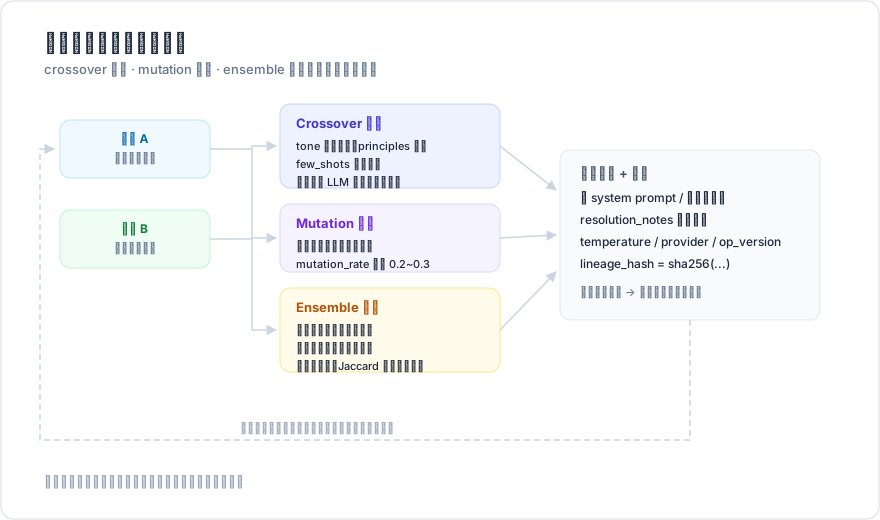
三类融合算子与血统落账

每个融合任务的输出除了 system prompt,还有一份 lineage

 1
 2
 3
 4
 5
 6
 7
 8
 9
10
11
12
13
14
{
  "agent_id": "agt_xxx",
  "operator": "crossover",
  "parents": [
    {"elixir_id": 101, "version": 3, "hash": "a1b2..."},
    {"elixir_id": 205, "version": 1, "hash": "c3d4..."}
  ],
  "resolution_notes": [
    {"field": "max_length", "chose": "来自金丹A,因 priority 更高"},
    {"field": "humor", "chose": "加权平均 0.35"}
  ],
  "params": {"temperature": 0.7, "provider": "deepseek", "op_version": "v2"},
  "lineage_hash": "9f8e..."
}

lineage_hash 是对 parents 的 hash、算子名、参数、算子版本做的 sha256,唯一标识这次"血统组合"。相同输入相同参数重跑会命中缓存(下一篇讲),也能用来判断两个分身是否同源。

crossover:语气加权,原则去重

Crossover 算子(Python 引擎侧)的核心逻辑:

 1
 2
 3
 4
 5
 6
 7
 8
 9
10
11
12
13
14
15
16
17
18
19
20
21
22
23
24
25
26
27
28
29
30
31
32
33
34
35
36
37
38
39
import random, statistics

def crossover_operator(elixirs: list[dict], rate: float = 0.5) -> str:
    assert len(elixirs) >= 2
    a, b = elixirs[0], elixirs[1]

    # 语气:加权平均(priority 高的权重大)
    wa = a.get("priority", 100)
    wb = b.get("priority", 100)
    total = wa + wb
    tone = {}
    for k in ("formality", "conciseness", "humor", "empathy"):
        va = a.get("tone", {}).get(k, 0.5)
        vb = b.get("tone", {}).get(k, 0.5)
        tone[k] = round((va * wa + vb * wb) / total, 2)

    # 原则:按 priority 排序去重合并
    principles = dedup_merge(
        a.get("principles", []),
        b.get("principles", []),
    )

    # 示例:各取一半
    few_shots = (a.get("few_shots", [])[:2] +
                 b.get("few_shots", [])[:2])

    # 硬冲突:交给 LLM 裁决(这里简化为取 priority 高者)
    constraints, notes = resolve_constraints(a, b)

    child = {
        "identity": synthesize_identity(a, b),  # LLM 生成新身份句
        "expertise": list({*a["expertise"], *b["expertise"]}),
        "tone": tone,
        "principles": principles,
        "constraints": constraints,
        "few_shots": few_shots,
        "tools": list({*a.get("tools", []), *b.get("tools", [])}),
    }
    return render_elixir(child)

mutation:小步扰动

Mutation 算子,只动一个金丹:

 1
 2
 3
 4
 5
 6
 7
 8
 9
10
11
12
13
14
15
16
17
def mutate_operator(elixir: dict, rate: float = 0.3) -> str:
    child = copy.deepcopy(elixir)
    # 随机扰动一个语气维度
    if random.random() < rate and child.get("tone"):
        key = random.choice(list(child["tone"].keys()))
        delta = random.uniform(-0.2, 0.2)
        child["tone"][key] = round(
            min(1.0, max(0.0, child["tone"][key] + delta)), 2)

    # 随机替换一条 principle 的措辞(交给 LLM 改写)
    if random.random() < rate and child.get("principles"):
        idx = random.randrange(len(child["principles"]))
        child["principles"][idx] = llm_rewrite_principle(
            child["principles"][idx])

    child["version"] = child.get("version", 1) + 1
    return render_elixir(child)

血统在任务完成时落账

血统记录在任务完成时统一构建:

 1
 2
 3
 4
 5
 6
 7
 8
 9
10
11
def build_lineage(elixirs, operator, params, notes):
    parents = [{"elixir_id": e["id"], "version": e["version"],
                "hash": e["content_hash"]} for e in elixirs]
    payload = {
        "parents": parents, "operator": operator,
        "params": params, "op_version": OP_VERSION,
    }
    lineage_hash = hashlib.sha256(
        json.dumps(payload, sort_keys=True).encode()).hexdigest()
    return {**payload, "resolution_notes": notes,
            "lineage_hash": lineage_hash}

四个坑

交叉不是简单拼接。第一版我直接把两个金丹的 principles 列表 concat,结果 prompt 里出现自相矛盾的两条原则。后来加上 dedup_merge:先用 embedding 相似度去重(数据集管理服务里做向量化那套直接复用),再让 LLM 对剩余冲突逐条裁决。去重这一步很关键,两个"意思一样但措辞不同"的原则就靠它合并掉。

变异太大也会跑偏。mutation_rate 设到 0.5 以上时,产物几乎认不出祖先。我默认用 0.2~0.3,每次变异只动一到两个字段,保住"可辨识的连续性"。这跟遗传算法里探索与利用的权衡是一回事。

Ensemble 有代价。委员会人格每次回答要先做一次路由判断(“这个问题该谁主导”),多一次 LLM 调用,延迟和成本都更高。所以它只在金丹专长差异度(expertise 的 Jaccard 距离)超过阈值时作为默认算子,否则用 crossover。

血统要防篡改。lineage 是用户判断"这个分身靠不靠谱"的依据,所以 lineage_hash 连同产物一起落库,Go 网关读取时校验 hash,防止有人手动改 parents 冒充血统。

后来

多金丹融合的关键是用结构化算子控制组合过程,用血统记录保证可解释、可复现。有了这套机制,炼丹就从开盲盒变成了一个可以迭代、可以追溯的工程过程。下一篇讲怎么基于血统做合成提示词缓存。

封面图:Flocci Nivis / Wikimedia Commons · CC BY 4.0

Built with Hugo
Theme Stack designed by Jimmy